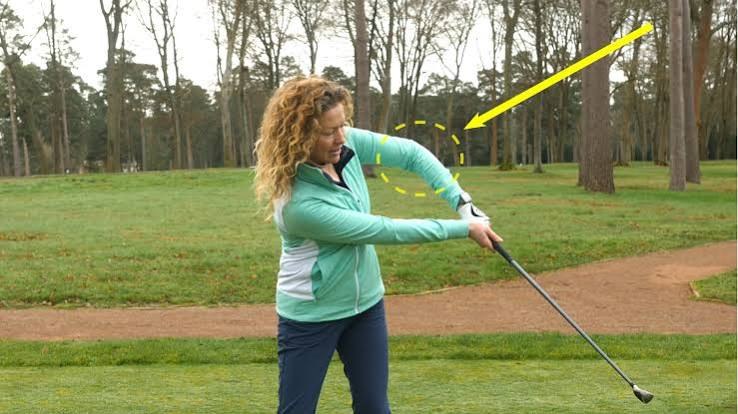
A practice swing allows you to feel the motion you want to make. It helps you judge the length of swing required, the speed of the club, your balance, and the interaction between the club and the ground. For short shots, bunker shots and awkward lies especially, a rehearsal can provide valuable feedback before you hit the ball.
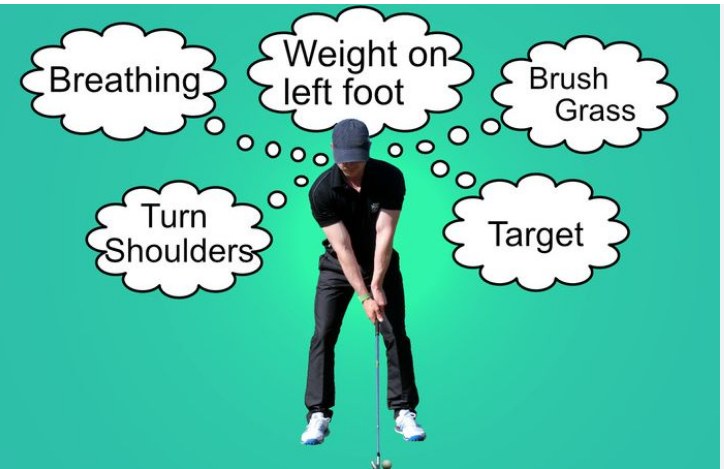
The mistake many golfers make is becoming obsessed with making the perfect practice swing. They stand over the ball trying to remember five different swing thoughts, worrying about positions, angles and mechanics. The result is often tension, confusion and poor rhythm.
As a coach, I regularly see golfers hit a beautiful practice swing and then freeze over the ball trying to repeat it perfectly. Unfortunately, golf doesn't work that way. The harder we try to manufacture a perfect swing, the more difficult the game becomes mentally.
Golf is challenging enough without filling your mind with technical thoughts. The best players trust what they have practised and focus on the target rather than trying to control every movement of the club.
The legendary ball-striker Moe Norman, regarded by many as one of the greatest ball strikers the game has ever seen, didn't use a traditional practice swing. His approach was built around repeating a motion he trusted rather than constantly searching for perfection. Moe's incredible consistency came from confidence in his process, not from chasing a flawless swing every time.
Next time you play, use your practice swing to create a feel, not to find perfection. Make one or two purposeful rehearsals, pick your target, trust your preparation and swing freely. Golf becomes much easier when your mind is focused on the shot you want to play rather than the swing you are trying to make.
Remember: play the shot, not the swing.