Start by reading the lie and the slope between you and the hole. If the pin is tucked, there’s usually very little green to work with. That means you need a shot that lands softly and stops quickly—or one that lands just onto the fringe and releases predictably.
For most golfers, the highest-percentage option is the “safe side” chip. Aim for the fattest part of the green, even if it leaves you a slightly longer putt. A six-footer uphill beats a three-footer racing downhill every time.
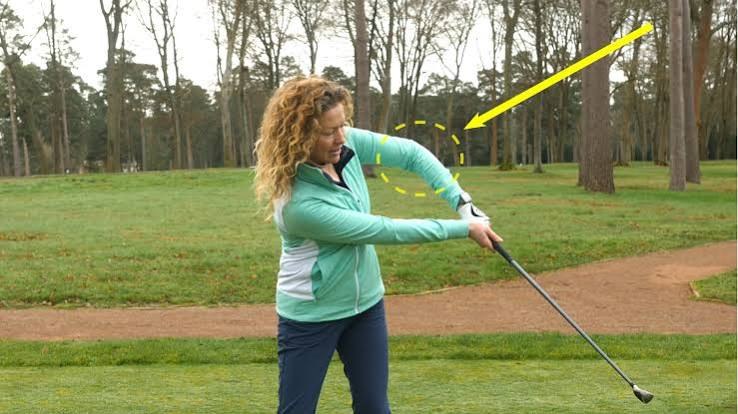
Set up with your weight slightly forward, hands ahead of the ball, and the ball just back of center. Choose more loft than usual if you need to carry a fringe or bunker, but keep the swing compact and smooth. Think “brush the grass,” not “hit the ball.” Let the club’s loft do the work.
One great practice drill is to drop three balls and aim at a landing spot, not the hole. Focus on where you want the ball to first touch the green. If you can control that, tucked pins become a lot less intimidating.
Remember, great chippers don’t chase perfection—they manage risk and give themselves simple putts. That’s how scores drop. ⛳