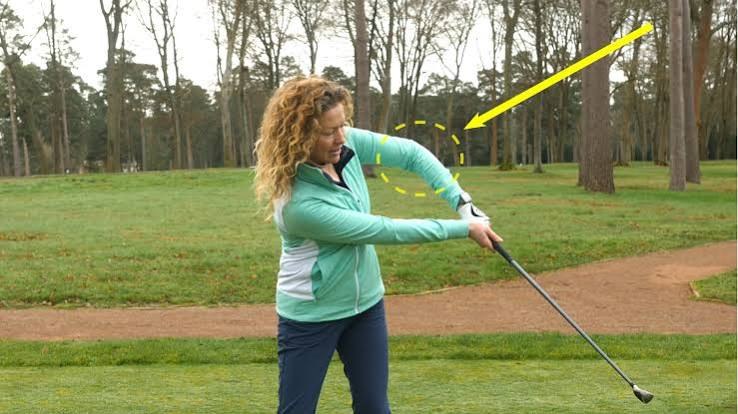
One of the biggest differences you’ll notice is in the short game, particularly around the greens.
At Whangaparaoa, Helensville, and at courses like South Head and Warkworth, the conditions are often familiar. The turf allows for a more traditional chipping style—slightly softer lies where the club can interact with the ground in a predictable way. Players can use a standard technique, allowing a little margin for error with strike and still achieve good results.
However, when you step onto links-style courses like Muriwai or parts of Omaha, everything changes.
The turf is firmer, tighter, and far less forgiving. Here, the leading edge of the club is exposed, and any excess movement can lead to poor contact. This is where adaptability becomes key.
So how do we adjust?
Firstly, simplify your technique. Narrow your stance, lean slightly towards your lead side, and reduce wrist movement. Think of it more like a putting stroke with a lofted club. The goal is clean, crisp contact—ball first, then turf (if any).
Secondly, choose the simplest option. On firm links surfaces, the ball will release more. Instead of always reaching for a lofted wedge, consider a lower shot—a bump-and-run—getting the ball on the ground early and letting it roll like a putt.
Finally, spend time observing. Before your round, hit a few chips and putts to understand how the ball reacts. The quicker you can adapt, the more confident you’ll be under pressure.
Different courses demand different skills—but with the right mindset, you can make your short game travel anywhere.